

Your basket is empty—Let’s add something!


Bullion Crowns And Stars Badges Suppliers
Military insignia are symbols or emblems used to denote various ranks, branches, units, and achievements within a military organization. These insignia serve several purposes, including identification, hierarchy, and fostering a sense of pride and belonging among personnel.
Here are some common types of military insignia:
Rank Insignia: These denote the rank of an individual within the military hierarchy. They can be in the form of stripes, stars, bars, or other symbols.
Branch Insignia: Different branches of the military (e.g., Army, Navy, Air Force, Marines) have unique symbols or badges that identify their members.
Unit Insignia: These symbols represent specific units within a branch. For example, a regiment or a squadron may have its own distinct emblem.
Specialty Insignia: These signify a soldier's occupational specialty or job within the military. For instance, a medical corpsman might wear a caduceus.
Awards and Decorations: Medals, ribbons, and badges are awarded to recognize exceptional service, acts of valor, or specific achievements.
Shoulder Sleeve Insignia (SSI): These are worn on the shoulder area of the uniform and represent a unit or command.
Beret or Cap Insignia: Some military units, especially special operations forces, wear distinctive headgear with unique insignia.
Collar Insignia: Officers and enlisted personnel may wear insignia on the collars of their uniforms, denoting rank and other distinctions.
Patches and Tabs: These are cloth emblems worn on the uniform to signify various affiliations, such as combat patches or qualification tabs.
Campaign Ribbons: These denote participation in specific military campaigns or operations.
Foreign Badges: Some military personnel may wear badges earned during joint exercises or operations with foreign military forces.
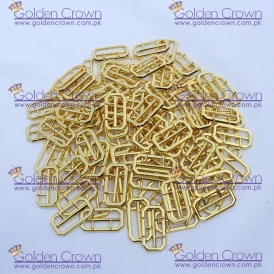
Model: GC-04886
Royal Air Force Tunic two prongs buckle
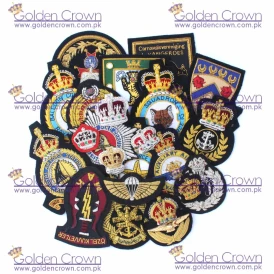
Model: GC-04887
Hand Made Bullion Embroidery Badges Supplier
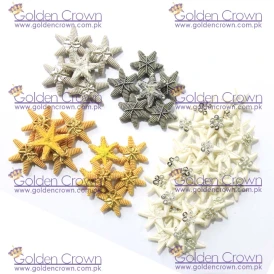
Model: GC-04889
Wholesale Bullion Stars Badges
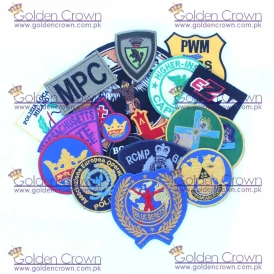
Model: GC-04890
Machine Embroidery Patch Badge Supplier
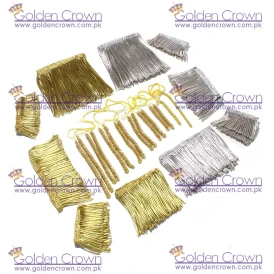
Model: GC-04891
Golden Bullion Wire Fringe Supplier
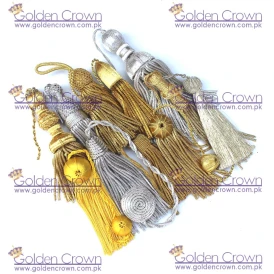
Model: GC-04892
Decorative Bullion Tassel Supplier

Model: GC-04893
Military Cap Cords, Military Cap Cords Supplier
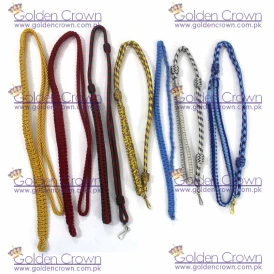
Model: GC-04894
Military Lanyards, Military Lanyards Suppliers

Model: GC-04895
Military Shoulder Cord, Braided Shoulder Cord Suppliers
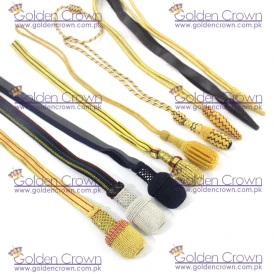
Model: GC-04896
Military Uniform Sword Knots, Military Sword Knots Supplier

Model: GC-04897
Military Acorn sword knot Supplier, Uniform Sword Knots Supplier
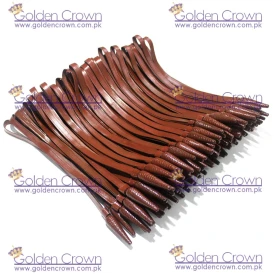
Model: GC-04898
Acorn Leather Sword knots Suppliers
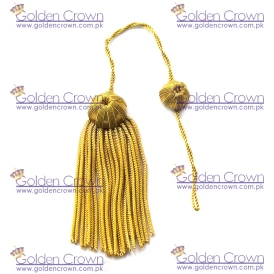
Model: GC-03186
Doctoral Tam Gold Bullion Tassels
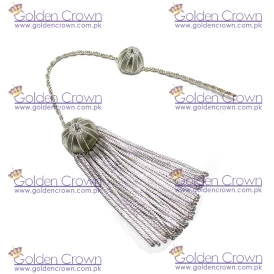
Model: GC-03187
Doctoral Tam Silver Bullion Tassels
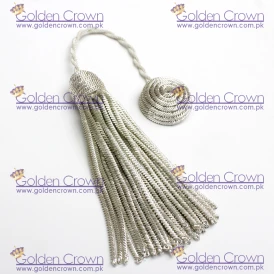
Model: GC-03189
Silver Bullion Graduation Cap Tassel
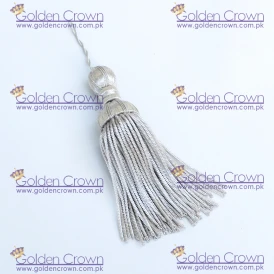
Model: GC-03190
Decoration Silver Bullion Tassel
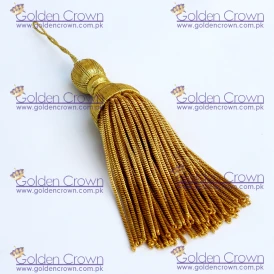
Model: GC-03188
Decoration Gold Bullion Tassel
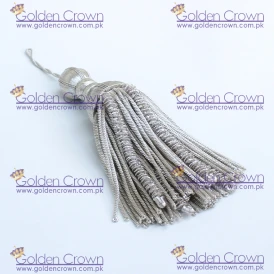
Model: GC-03192
Silver Bullion Wire Decoration Tassel
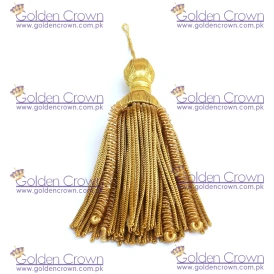
Model: GC-03191
Gold Bullion Wire Decoration Tassel
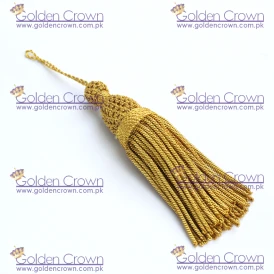
Model: GC-03193
French Gold Bullion Tassels
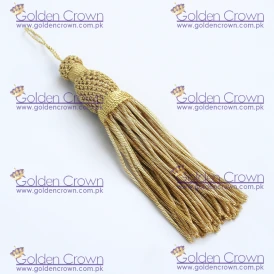
Model: GC-03194
French Metallic Bullion Tassel
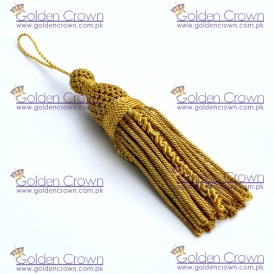
Model: GC-03195
French Bullion Wire Metallic Tassels
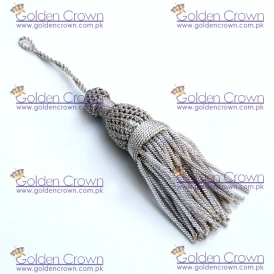
Model: GC-03196
French Silver Bullion Wire Tassels
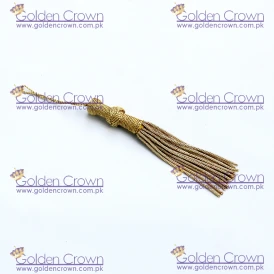
Model: GC-03197
Decorative Bullion Tassel
